Study Reveals PFAS Impact Birds Even Before They Emerge from Eggs
Study Overview
Researchers from the Department of Biology at the Norwegian University of Science and Technology (NTNU) have discovered that per- and polyfluoroalkyl substances (PFAS)—known as “forever chemicals”—can alter gene expression in ducklings even before they hatch. Published in Environmental Toxicology and Chemistry, this study provides new scientific evidence supporting comprehensive regulation of all PFAS chemicals.
Groundbreaking Laboratory Research
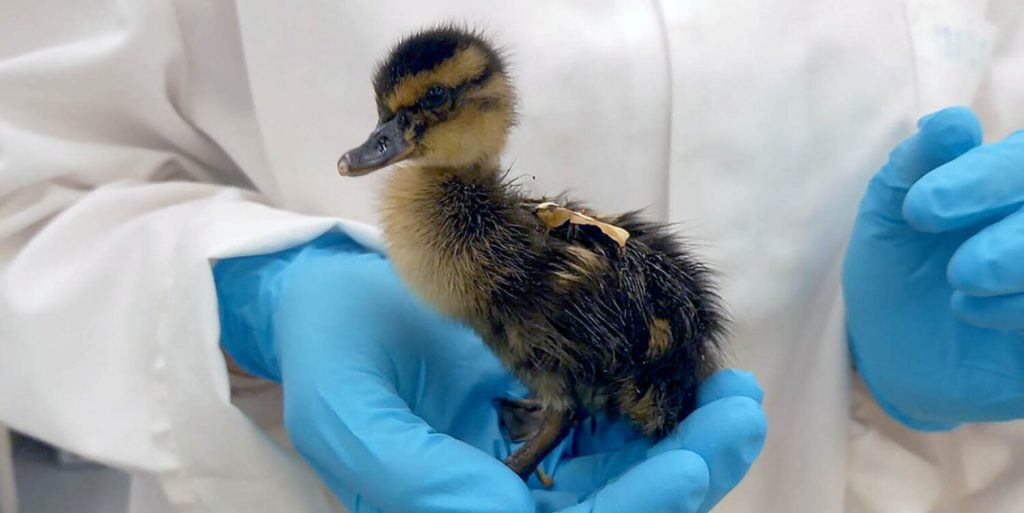
Scientists at NTNU’s Department of Biology conducted meticulously controlled experiments using duck eggs from a commercial farm. Their innovative approach involved drilling small holes in eggshells to inject two recently discovered PFAS chemicals—PFECHS and PFDoDS—alongside the already-banned PFOS as a control substance.
After sealing the holes with wax, researchers incubated the eggs for four weeks. Upon hatching, they immediately collected samples from three vital organs: the liver, heart, and bursa of Fabricius (a bird-specific immune organ). Gene expression analysis revealed significant alterations caused by PFAS exposure.
Critical Findings: Fat Metabolism Under Threat
The study’s most concerning discovery centered on liver gene expression. Ducklings exposed to the newer PFAS substances showed altered genes involved in fat metabolism—a potentially devastating impact for wild waterfowl.
“Mallard ducks must accumulate and utilize fat on strict timelines during breeding seasons and migration,” the researchers noted. “Changes in fat metabolism could dramatically reduce their chances of survival or successful reproduction.”
Immune System Compromise
The bursa of Fabricius, responsible for antibody production in birds, showed significant gene expression changes in exposed ducklings. This finding suggests PFAS may compromise immune competence, leaving birds vulnerable to diseases and infections throughout their lives.
Surprisingly, the heart showed minimal effects—though researchers cautioned this may be due to testing occurring during early developmental stages, with some toxic effects potentially manifesting later in life.
The PFAS Epidemic: Everywhere and Nowhere to Go
PFAS represents a vast class of thousands of synthetic chemicals still widely used in consumer products due to their resistance to heat, oil, and water. These ubiquitous substances appear in:
- Non-stick cookware
- Waterproof clothing and outdoor gear
- Food packaging materials
- Cosmetics and personal care products
- Ski wax (detected on cross-country ski trails)
- Drinking water systems
The chemicals’ extreme stability—particularly their carbon-fluorine bonds—means they persist indefinitely in soil, water, and living organisms, earning their ominous nickname: “forever chemicals.”
A Call for Comprehensive Action
Professor Veerle Jaspers of NTNU emphasized the policy implications: “Our findings support the call for regulation of all forms of PFAS. Banning them one by one is both expensive and time-consuming.”
The European Union is currently considering a sweeping ban on PFAS to address the mounting evidence of their environmental and health risks. This study provides crucial scientific backing for such comprehensive regulatory action.
“Forever chemicals don’t just have long-term consequences—they’re already a problem from life’s earliest stages,” the research team warned.
Why This Study Matters
This research breaks new ground in several critical ways:
First Investigation of New Compounds: The study examined two PFAS chemicals only recently detected in wild duck eggs, expanding our understanding of emerging contaminants.
Early-Life Impact Evidence: It demonstrates that PFAS can produce harmful effects during the most vulnerable developmental stages.
Support for Broad Regulation: The findings bolster arguments for regulating the entire PFAS chemical class rather than pursuing individual bans.
Wildlife Population Risks: The research reveals potential threats to wild bird populations and broader ecological systems.
The Road Ahead
While researchers acknowledge that more data is needed—particularly from field simulations that account for multiple environmental factors like food availability and pathogen presence—this laboratory work provides an essential foundation.
As PFAS contamination continues to spread through ecosystems worldwide, this study serves as a stark reminder: the consequences of these “forever chemicals” begin before life itself does, threatening wildlife populations from their very first moments of existence.
Research Paper Information:
- Authors: Anne-Fleur Brand, Silje Peterson, Louisa M S Günzel, Kang Nian Yap, Tomasz M Ciesielski, Céline Arzel, Veerle L B Jaspers
- Journal: Environmental Toxicology and Chemistry (2025)
- DOI: 10.1093/etojnl/vgaf213