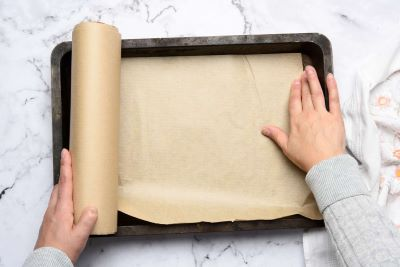

Recent laboratory testing has revealed concerning levels of PFAS chemicals in commonly used parchment baking paper, raising health concerns about potential effects on bone density and dental development.
PFAS, or per- and polyfluoroalkyl substances, are synthetic chemicals used in parchment paper and other food packaging to enhance non-stick, grease-resistant, and moisture-resistant properties. These “forever chemicals” earned their nickname because they do not break down easily in the environment and can accumulate in the human body over time.
Independent testing by consumer advocacy organizations has found that popular brands like Reynolds Parchment Baking Paper tested positive for fluorine at 14 parts per million (ppm), while Kirkland brand from Costco also showed detectable levels of fluorine indicating potential PFAS contamination.
Health authorities have documented multiple concerns associated with PFAS exposure. Research has linked PFAS exposure in adolescents to decreased bone mineral density over time, which can lead to osteoporosis and other bone diseases. Studies have found associations between higher plasma PFAS concentrations and lower bone mineral density, as well as faster bone density decline in adults.
The EPA has identified developmental effects in children, including bone variations, as potential consequences of PFAS exposure. Additional health impacts include increased cholesterol levels, lower antibody response to vaccines, changes in liver enzymes, and increased risks of certain cancers.
Safer alternatives exist for consumers concerned about PFAS exposure. Experts recommend uncoated parchment paper or silicone-coated options, with brands like “If You Care” testing at non-detect levels below 10 ppm of fluorine . Silicone baking mats and unbleached parchment paper provide non-stick properties without intentionally added PFAS.
Given that PFAS are found in thousands of consumer products and can accumulate in the body, leading to long-term health issues, health advocates recommend consumers read product labels carefully, look for “PFAS-free” or “unbleached” designations, and consider switching to certified PFAS-free alternatives when baking and cooking.