Paris, December 3, 2025 — A comprehensive national study has revealed widespread contamination of France’s drinking water supply by PFAS, commonly known as “forever chemicals,” but one compound found in virtually all tested samples is a particular concern.
Nationwide Study Reveals Alarming Presence
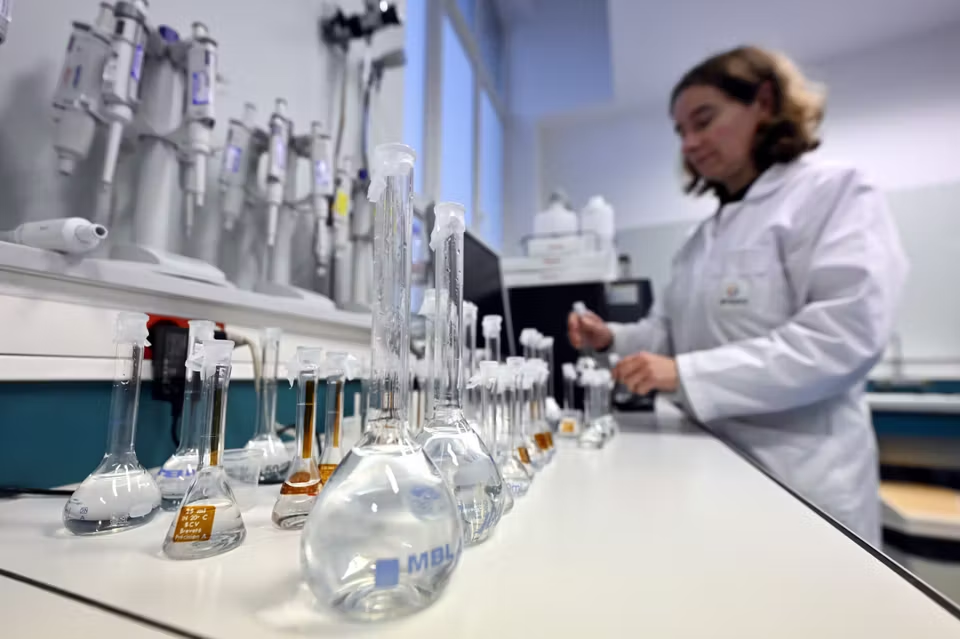
A major measurement campaign carried out by the National Agency for Food, Environmental and Occupational Health Safety (ANSES) between 2023 and 2025 analyzed over 600 samples of both raw and tap water originating from every part of France, including overseas territories. The survey studied 35 different PFAS compounds, representing the most extensive investigation of these persistent pollutants in French drinking water to date.
TFA: The Most Prevalent Contaminant
The findings also point to one particularly disturbing conclusion: trifluoroacetic acid, or TFA-the smallest of the PFAS chemicals-was found in 92 percent of tap water samples collected from around the nation. This chemical proved to be significantly more common than any other PFAS studied.
The TFA concentration ranged widely among the samples, with a median distributed water concentration of 780 nanograms per liter. Another chemical of concern was TFMSA, which was detected in 13 percent of the samples at a median tap water concentration of 28.5 nanograms per liter — the first time the substance has been found in French water supplies.
Additional PFAS Detected
Beyond TFA, the researchers found numerous other PFAS compounds in French water:
- Among the 35 PFAS tested, 19 were found in the tap water samples.
- Of these, PFHxS was detected in 21.7%, PFOS in 19.1%, and PFHxA in 16.1% of the samples.
- The study found 20 PFAS in raw water samples and 19 in tap water, generally at concentrations below regulatory limits where such limits exist.
Regulatory Context and Concerns
The timing coincides with evolving European regulations. France, for example, will be required under a 2020 European directive to begin monitoring 20 specific PFAS compounds in tap water starting January 12, 2026. Notably, TFA is absent from the required monitoring list.
Only a small proportion of the samples exceeded the 0.1 micrograms per liter limit, according to the European directive setting the quality limit. However, health authorities are still worried about substances for which no regulations currently exist.
What are PFAS?
PFAS are a family of thousands of synthetic chemicals that have been used in industrial and consumer products since the 1940s. These compounds can be found in:
- Non-stick cookware
- Water-resistant fabrics
- Food packaging
- Firefighting foams
- Various pesticides
Nicknamed “forever chemicals” because of their extreme persistence, PFAS do not break down naturally in the environment and can accumulate in human bodies over time. They have been linked to various health concerns, though research into their long-term effects continues.
Next Steps
ANSES recommends expanding the official list of substances to be monitored in drinking water, in particular recommending that TFA and 6:2 FTSA be added to France’s permanent surveillance program. The agency points out that some PFAS detected during this campaign should be included in routine water quality monitoring.
France decided to begin PFAS monitoring proactively in 2025, ahead of the European mandate in January 2026, and regional health agencies were invited to integrate PFAS testing into their control programs to detect non-compliance situations so that they could be resolved as soon as possible.
It is a critical step toward understanding the actual PFAS contamination in France’s water supply and will inform future regulatory measures and water treatment strategies for the protection of public health.
This article is based on data published by ANSES on December 3, 2025, part of the agency’s ongoing monitoring of emerging contaminants in drinking water.