

A landmark Senate committee report tabled on November 19, 2025, has exposed critical gaps in Australia’s handling of PFAS contamination, placing unprecedented pressure on federal and state governments to overhaul the nation’s fragmented regulatory framework for “forever chemicals.”
The 400-page report, chaired by independent Senator Lidia Thorpe, outlines 47 recommendations aimed at tackling the widespread use and environmental persistence of PFAS.
PFAS, or “forever chemicals,” are widely used in industrial applications and consumer products. Their environmental persistence has contaminated soil, drinking water, food systems, and wildlife. The report is the result of the Senate committee’s review, following its reappointment in 2025, of submissions from researchers, government agencies, environmental groups, and community members on both the extent of contamination and Australia’s regulatory response.
The report noted that PFAS exposure is a highly contested issue; however, evidence of long-term environmental and health risks continues to accumulate.
Communities at the Frontline: Indigenous Groups Describe Severe Cultural and Health Impacts
One of the striking sections of the report features the disproportionate impact that PFAS contamination has on Aboriginal communities. Testimony from residents in Wreck Bay and Katherine revealed restrictions on drinking water, cultural food sources, and traditional land-use practices.
In Katherine, PFAS contamination from RAAF Base Tindal resulted in bans on drinking the local water, fishing, and the harvesting of wildlife, directly impacting food security and continuity of culture.
Health organizations in the Northern Territory have warned that reliance on expensive, store-bought food has driven many families toward options that are high in calories and low in nutrients, thereby increasing the risks of chronic diseases. Where previously local species like barramundi, black bream, and crustaceans were staples of the community diet, they are now considered potential pathways to exposure.
Early reviews by Food Standards Australia New Zealand showed limited immediate danger from small samples, but still recommended limiting fish consumption due to uncertainty over the long-term risks associated with PFAS.
National Indigenous health groups warned that the contamination imperils not just physical health, but also cultural identity: many traditional practices require safe access to land and waterways. The report says Defence and other federal agencies need to significantly improve consultation, transparency, and remediation in those communities.
Drinking Water Standards Updated, but Testing Challenges Remain
In June 2025, amidst growing concern over PFAS in water supplies, the National Health and Medical Research Council released revised Australian Drinking Water Guidelines that greatly cut what was previously considered “safe” PFAS levels. The new limits reflect increased scientific evidence that even low concentrations of these substances can pose risks.
Yet the water sector cautions that meeting these standards will be expensive and difficult to achieve. Water utilities say that more sensitive laboratory testing could increase costs by 30–100%, a cost usually passed on to consumers.
Commercial laboratories usually test for around 28 PFAS compounds, a fraction of the over 15,000 chemicals making up the PFAS family—far more than can be tested currently. Routine detection of this full spectrum is “not technically feasible,” the NHMRC noted.
State-by-state inconsistencies further complicate enforcement. Cancer Council Australia criticized the lack of uniform national regulation, arguing that multiple authorities with different standards undermine public confidence and hamper the effective management of contamination. Experts have echoed similar concerns, warning that fragmented guidelines only increase confusion among communities and water authorities.
Growing Calls to Regulate PFAS as a Chemical Class
Where many countries are adopting total-PFAS or class-based regulatory limits, Australia continues to regulate PFAS chemicals one by one. The NHMRC considered a unified PFAS threshold but determined that evidence was insufficient. Critics say this approach means that the majority of PFAS remain unregulated and allow variants that might be toxic to slip through until science catches up.
Some scientists and advocacy groups say this approach is “not good enough,” pointing to global research that suggests many PFAS variants may pose health risks similar to better-known chemicals such as PFOS and PFOA. They warn that reliance on chemical-specific assessments results in slow regulatory responses and potential underestimation of cumulative exposure.
National Coordination Efforts Strengthen—but Significant Gaps Persist
The Australian Government has taken steps to enhance the country’s national coordination by establishing a PFAS National Coordinating Body in early 2025. Oversight lies with both federal and state ministers, with New South Wales, Queensland, and the Northern Territory now involved in the harmonization of policy, remediation strategies, and community engagement. It is intended to provide strategic leadership on the response at high-risk sites like Katherine, Oakey, and Williamtown.
But experts say Australia’s management system for chemicals remains fragmented. Industry groups and scientific academies say that multiple agencies across nine jurisdictions create inconsistent regulations, adding to the compliance burden. Many call for stronger national reporting requirements regarding PFAS use, importation, and disposal—especially in the context of Australia no longer manufacturing PFAS domestically but continuing to import PFAS-containing products.
Recommendations: Unified Standards, Greater Transparency, and a National PFAS Map
The report concludes with a series of sweeping recommendations to enhance national consistency and public transparency. These include:
- Ensuring all states adopt the PFAS National Environmental Management Plan (NEMP 3.0) into their regulatory regimes
- Creating one unified, “single source of truth” website for PFAS information on contamination hotspots, updated guidance, and portals for public inquiry
- Developing a national PFAS research strategy with emphases on remediation technologies and long-term health and environmental monitoring, including improved routine monitoring of rivers and groundwater, especially in high-conservation or agricultural zones where contamination could enter the food system
These measures can greatly improve public access to data, environmental scientists say, and help restore community trust that has been deeply eroded in heavily affected areas.
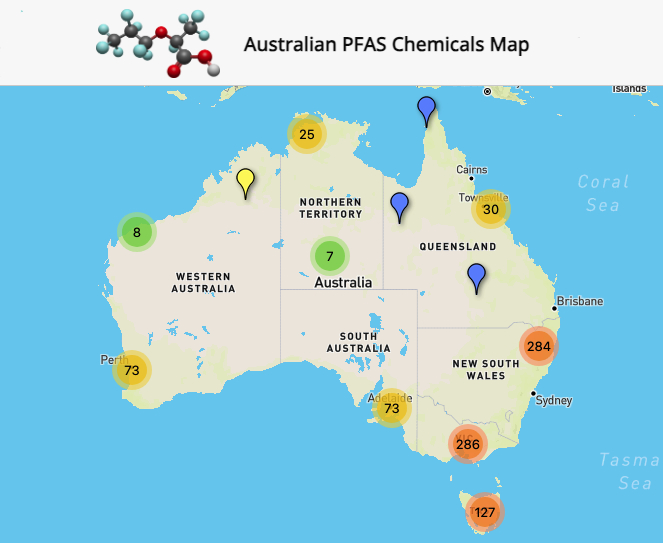
A Tipping Point for National Reform
With the contamination of PFAS across multiple regions and growing public concern about health and ecological consequences, there is a need to shape the long-term policy response in Australia. The Senate report presents a complex picture: while awareness and scientific understanding have grown, regulatory systems remain outdated and fragmented, and are ill-equipped to manage emerging risks.
Slow remediation and inconsistent standards continue to affect communities, with Indigenous communities among the worst affected. As research into PFAS speeds up worldwide, experts say Australia must adopt a more cautious, coordinated, and transparent national approach.
Whether the federal government acts swiftly on the report’s recommendations may determine how effectively Australia confronts the legacy—and future—of PFAS contamination.