
Critics Warn of Long-Term Health and Environmental Consequences
Environmental Policy | November 7, 2025
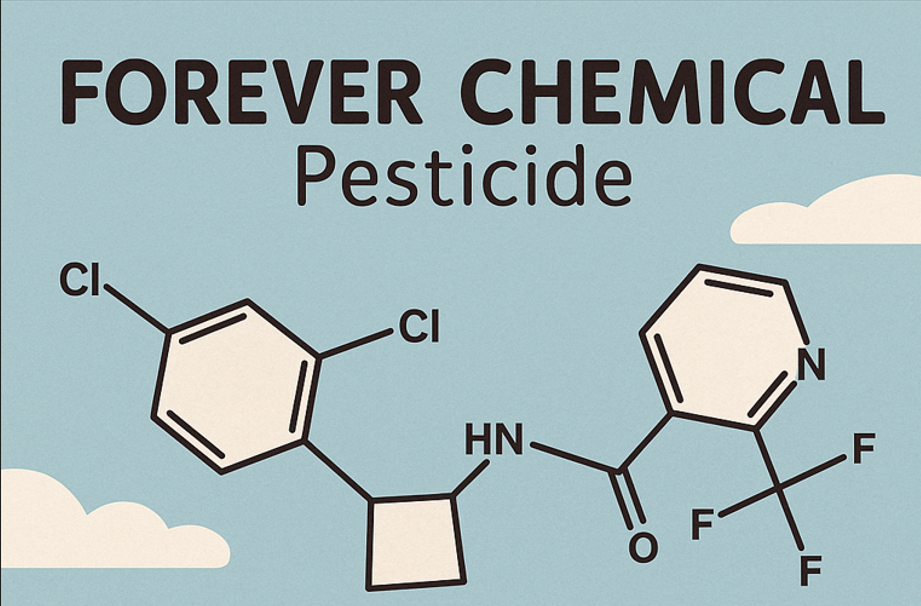
The Environmental Protection Agency has approved epyrifenacil, a new herbicide containing per- and polyfluoroalkyl substances (PFAS), for use on major American crops including corn, soybeans, wheat, and canola. This marks the fifth PFAS-containing pesticide approved in recent months, raising alarm among environmental advocates and health experts.
Rapid-Fire Approvals Raise Concerns
The pace of approvals has accelerated dramatically. The first PFAS pesticide, cyclobutrifluram, received approval in April 2025. Just seven months later, the EPA has now greenlit five such chemicals, despite growing scientific evidence about PFAS persistence in the environment and potential health risks.
Epyrifenacil, manufactured by Japan’s Sumitomo Chemical, is designed to combat herbicide-resistant weeds that survive conventional treatments like glyphosate. The chemical can be applied to cover crops and in no-till farming operations before planting.
The PFAS Classification Debate
The EPA’s approval has reignited contentious debate over what constitutes a PFAS chemical. The agency acknowledges that epyrifenacil contains fluorinated carbon but maintains it evaluates each chemical’s risks individually. Officials have launched a new website outlining their position on these substances.
Environmental organizations counter that these pesticides meet the international definition of PFAS and should face more stringent regulatory oversight as a chemical class rather than case-by-case evaluation.
Environmental Persistence: A Generational Problem
PFAS-containing pesticides have been detected in streams and rivers nationwide. Cyclobutrifluram demonstrates remarkable persistence, remaining active in soil and water for up to three years.
Nathan Donley from the Center for Biological Diversity offered a stark assessment: “Half of what we spray today will still be here when we vote for the next president.”
The situation grows more troubling when considering degradation products. Cyclobutrifluram breaks down into trifluoroacetic acid (TFA), another forever chemical causing significant water contamination. Some experts believe TFA contamination may already be irreversible.
PFAS Pesticides: By the Numbers
A 2024 study revealed that PFAS are present in approximately 14% of all active pesticide ingredients used in the United States. Nearly one-third of recently approved pesticides contain these persistent chemicals.
These substances are applied to widely consumed crops including:
- Corn and wheat
- Leafy greens like kale
- Apples and strawberries
- Various other fruits and vegetables
Mixed Messages from Washington
The Trump administration’s position on PFAS appears contradictory. In April 2025, Agriculture Secretary Brooke Rollins and Health Secretary Robert F. Kennedy Jr. expressed concerns about PFAS during a Texas farm visit, with Kennedy calling for a complete phase-out of PFAS production.
However, the EPA’s Office of Pesticide Programs is led by officials with deep industry ties:
- Nancy Beck: Former chemical industry association executive
- Lynn Ann Dekleva: Former DuPont employee
- Kyle Kunkler: Former pesticide industry lobbyist
Environmental Groups Sound the Alarm
Donley criticized the administration’s apparent priorities: “While the government might use budget constraints to justify cuts to food assistance programs, they’re rushing to approve water pollution through PFAS pesticides.”
He added pointed criticism of the pesticide office’s leadership: “The office run by chemical lobbyists is actively obscuring PFAS problems. The pesticide industry not only secured approval for dangerous new products but also got a government website repeating its misleading claims.”
Compound Contamination Concerns
Epyrifenacil may be applied in combination with pyroxasulfone, another PFAS pesticide, potentially creating complex mixtures of forever chemicals in the environment.
A May 2025 report from the Make America Healthy Again Commission identified pesticides as a major contributor to childhood illness, particularly through prenatal exposure, breast milk contamination, and household dust.
The Approval Pipeline
Beyond cyclobutrifluram and epyrifenacil, the EPA is considering approval for additional PFAS pesticides including:
- Trifludimoxazin
- Isocycloseram
- Diflufenican
Demands for Regulatory Reform
Environmental and health advocacy groups are calling for sweeping changes:
Broader PFAS Definition: Apply international standards to classify these chemicals as a group rather than individually
Class-Based Regulation: Regulate all PFAS pesticides together instead of one-by-one approvals
Fertilizer Ban: Halt the use of PFAS-containing fertilizers
Restore Drinking Water Standards: Reinstate PFAS drinking water limits eliminated in May 2025
The Cost-Benefit Calculation
As the administration accelerates PFAS pesticide approvals, a fundamental question looms: Do agricultural benefits justify the long-term health and environmental costs of introducing chemicals that will persist for generations?
With PFAS contamination already widespread in American waterways and food systems, critics argue that each new approval compounds a crisis that may take decades—or longer—to address.
The debate reflects a broader tension in environmental policy: balancing immediate agricultural productivity against the uncertain but potentially severe long-term consequences of persistent chemical contamination.
EPA Official Sources:
- EPA Announces Proposed Registration of Herbicide Epyrifenacil (November 3, 2025): https://www.epa.gov/pesticides/epa-announces-proposed-registration-herbicide-epyrifenacil