

India Proposes Comprehensive Ban on PFAS and BPA in Food Packaging
New Delhi, India, October 6, 2025 — The Food Safety and Standards Authority of India (FSSAI) has issued a landmark draft amendment proposing a complete ban on per- and polyfluoroalkyl substances (PFAS) and bisphenol A (BPA) in food contact materials, marking a significant shift in India’s food packaging regulations.
Regulatory Framework
The proposed Food Safety and Standards (Packaging) Amendment Regulations, 2025, amends the existing 2018 Packaging Regulations with two critical additions:
- Complete PFAS Ban: “Poly- and perfluoroalkyl substances (PFAS) shall not be used in manufacturing of food contact materials.”
- BPA-Free Requirement: “Food contact materials manufactured with polycarbonate and epoxy resins shall be free from Bisphenol A (BPA) and its derivatives.”
The draft notification was published on October 6, 2025, launching a 60-day public consultation period. Stakeholders can submit feedback to the Chief Executive Officer at FSSAI headquarters in New Delhi or via email at [email protected].
Health and Environmental Concerns
Both PFAS and BPA have come under increasing global scrutiny for their potential health impacts:
PFAS (“Forever Chemicals”):
- Persist in the environment for decades
- Accumulate in human bodies
- Linked to immune system suppression
- Associated with thyroid disease
- Increased cancer risk
- Environmental contamination
BPA:
- Hormonal disruptions
- Reproductive issues
- Developmental effects in children
- Can migrate from packaging into food
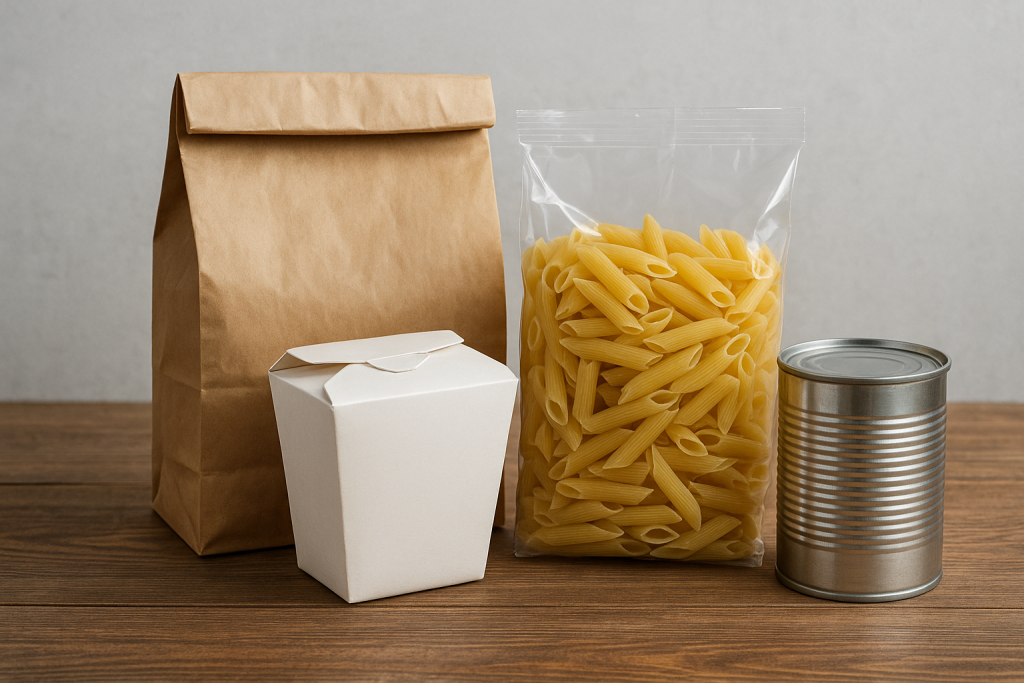
PFAS chemicals are widely used in food packaging for their oil- and water-repellent properties, appearing in fast food wrappers, microwave popcorn bags, pizza boxes, and other grease-resistant packaging. BPA is commonly found in plastic containers, can linings, and beverage bottles.
Global Context and Alignment
India’s move aligns with international regulatory trends:
- European Union: In 2023, the European Food Safety Authority (EFSA) concluded that BPA posed “potential harmful effects on the immune system,” prompting EU restrictions on its use in food packaging.
- United States: The EPA and several states have moved to restrict PFAS use in food packaging due to mounting evidence of environmental persistence and toxicity.
- United Kingdom: In October 2025, the UK’s Food Standards Agency launched a 12-week consultation on banning BPA and other bisphenols in food contact materials.
Industry Impact
The proposed ban could significantly transform India’s food and beverage packaging sector, valued at over $70 billion and projected to grow 6-7% annually. If enacted, the amendment would compel manufacturers to adopt safer alternatives, including:
- Bio-based coatings
- Plant-derived polymers
- PFAS-free grease barriers
- Alternative polymer processing aids
Environmental groups have welcomed the move, noting that India’s decision could set a precedent for other developing markets to phase out PFAS in food packaging.
Timeline and Implementation
Once the 60-day consultation period concludes and stakeholder feedback is reviewed, FSSAI will finalize the amendment. The regulations would then be incorporated into the Food Safety and Standards (Packaging) Amendment Regulations, 2025, giving manufacturers time to transition to compliant alternatives.
This proposal represents FSSAI’s ongoing commitment to strengthening India’s food safety framework and protecting public health while bringing the country’s packaging standards in line with international best practices.
Source: Packaging Gateway