

Environmental advocates challenge federal approval of state water quality report, alleging failure to address “forever chemicals” pollution
RICHMOND, Va. — Conservation organization Wild Virginia has filed a federal lawsuit against the U.S. Environmental Protection Agency, alleging the agency unlawfully approved Virginia’s 2024 water quality report despite the state’s failure to properly identify waterways contaminated with dangerous “forever chemicals.”
The lawsuit, filed in the U.S. District Court for the Eastern District of Virginia, represents the latest escalation in a growing battle over per- and polyfluoroalkyl substances (PFAS) contamination threatening Virginia’s rivers, streams, and drinking water sources. The case challenges the EPA’s approval of a state report that environmental advocates say deliberately downplayed extensive PFAS pollution documented across the Commonwealth.
Widespread Contamination Documented
According to the complaint, Virginia’s Department of Environmental Quality’s PFAS sampling dashboard contains nearly 30,000 pieces of data showing contamination in surface waters, sediments and fish tissue. Despite this extensive documentation of pollution, the lawsuit alleges some waterways were not classified as “impaired” in the state’s water quality report.
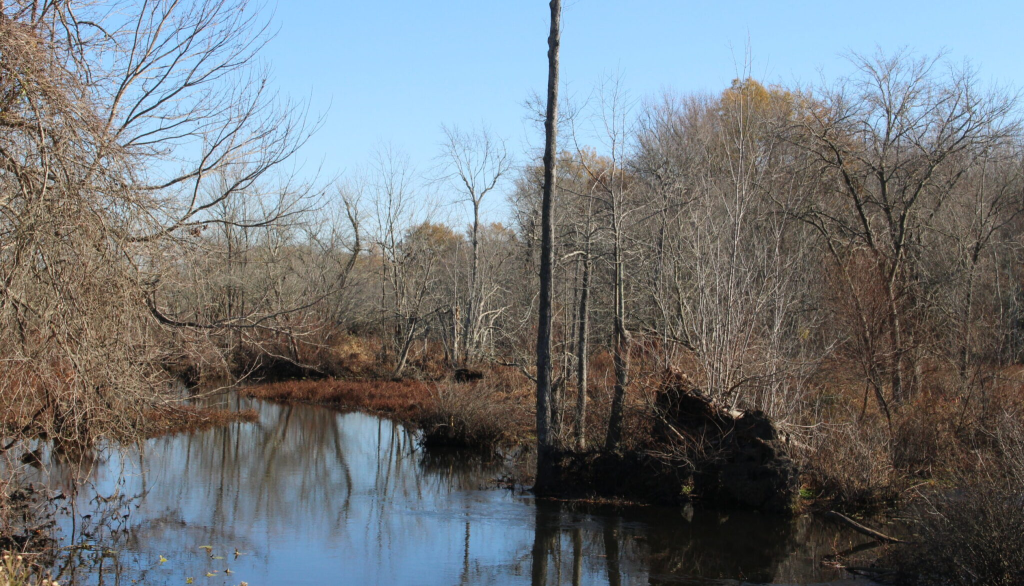
The Chickahominy River watershed has emerged as ground zero for PFAS concerns in Virginia. State data shows several rivers and streams are polluted with PFAS, including the Middle Chickahominy River, which has been under PFAS investigation since 2021. The contamination became so severe that the Virginia Department of Environmental Quality issued a fish tissue consumption advisory in May 2025 for the Chickahominy River and White Oak Swamp due to elevated PFAS levels.
Yet according to Wild Virginia’s lawsuit, despite these documented hazards and public health warnings, these contaminated waters were not listed as impaired in the final report submitted to the EPA.
What Are PFAS and Why Do They Matter?
PFAS are synthetic chemicals widely used since the 1940s in manufacturing processes and consumer products ranging from nonstick cookware and water-resistant clothing to firefighting foam. Their molecular structure makes them extraordinarily persistent in the environment and human body, earning them the moniker “forever chemicals.”
Exposure to PFAS has been associated with serious health risks, including cancer and reduced fertility in women. Scientific studies have also linked PFAS exposure to thyroid disease, weakened immune systems, high cholesterol, and developmental problems in children.
The EPA finalized national drinking water standards for six PFAS chemicals in April 2024, establishing maximum contaminant levels designed to protect public health. However, thousands of PFAS compounds exist, and regulations often lag behind emerging contamination concerns.
Legal Arguments: Clean Water Act Violations
Wild Virginia’s complaint centers on alleged violations of the federal Clean Water Act, which requires states to identify impaired waters and develop plans to reduce pollution. The organization argues that Virginia’s failure to properly classify PFAS-contaminated waterways violates both state and federal water quality standards.
David Sligh, water quality program director for Wild Virginia, emphasized the scope of the problem. “There are many other waters around the state where they have data showing PFAS contamination in the surface waters themselves,” Sligh said. “They mentioned PFAS in their report, they really didn’t do any analysis as to what that means or how those are related to their own water quality standards.”
The lawsuit argues that the EPA, by approving Virginia’s incomplete report, failed in its oversight responsibility under the Clean Water Act. The complaint seeks a court order requiring the agency to identify the PFAS-impaired waters so that pollution reduction plans can be developed and implemented.
Sources of Contamination
PFAS contamination in Virginia stems from multiple sources, with industrial facilities, military installations, and airports representing major contributors. The Richmond International Airport, located near the heavily contaminated White Oak Swamp watershed, has been conducting a two-year sampling effort of its stormwater discharges that concluded in June 2025. Former Department of Defense tenants at the airport property, including Army and Air National Guard units, are also investigating their potential contributions to watershed contamination.
Firefighting foam used at military bases and airports has emerged as a particularly significant source of PFAS pollution. These aqueous film-forming foams (AFFF) contain high concentrations of PFAS chemicals that can seep into groundwater and surface water, contaminating drinking water sources for surrounding communities.
Industrial wastewater discharges and biosolids application on agricultural land represent additional pathways for PFAS to enter Virginia’s waterways. Manufacturing facilities that use PFAS in production processes can release the chemicals through permitted discharge points, while sewage sludge spread on farmland as fertilizer may contain PFAS that eventually makes its way into groundwater and streams.
Virginia’s Response and Legislative Efforts
In 2024, the Virginia General Assembly passed a law intended to create a statewide plan to address elevated PFAS levels in waterways and identify pollution sources through self-reporting requirements. The legislation requires certain facilities to track PFAS in their water supplies and report values to the Department of Environmental Quality.
However, environmental advocates argue these measures don’t go far enough. Unlike neighboring Maryland, which requires PFAS testing of sewage sludge and recommends limits before its use, Virginia does not mandate such testing or establish limits for PFAS in biosolids applied to farmland.
The state has also established a PFAS Expert Advisory Council to guide government efforts, though Wild Virginia has criticized the Department of Environmental Quality for allegedly failing to include conservation group representatives on the committee as required by law.
Public Health Implications
The contamination affects millions of Virginians. Studies have found that 28 water systems across the state serving approximately 2.29 million people have detected PFAS above regulatory limits. These systems span from Northern Virginia’s Loudoun and Fauquier Counties to Hampton Roads and Southwest Virginia.
Private well owners face particular vulnerability, as they fall outside the EPA’s new drinking water standards and often lack resources for testing and treatment. With an estimated one million Virginians relying on private wells, this represents a significant gap in public health protection.
In Henrico County, following the discovery of PFAS in private drinking water wells near the Chickahominy River, the county’s Department of Public Utilities has offered ongoing testing and installed filtration systems at affected homes while exploring options to extend public water service to impacted residents.
Broader National Context
Virginia’s PFAS controversy reflects a nationwide reckoning with forever chemical contamination. Communities across the United States are grappling with similar challenges as testing reveals widespread PFAS pollution in drinking water sources, with particular concentrations near military installations, airports, and industrial facilities.
In May 2024, PFOA and PFOS—two of the most studied PFAS compounds—were designated as CERCLA hazardous substances by the EPA, establishing liability for companies that generated or disposed of these chemicals. This designation empowers the federal government to require polluters to clean up contamination sites.
The legal landscape surrounding PFAS is rapidly evolving, with numerous lawsuits filed against chemical manufacturers and users of PFAS-containing products. In 2024, BASF Corporation agreed to a $316.5 million settlement to resolve claims by public water systems affected by AFFF contamination, representing one of many major legal actions in this emerging area of environmental law.
What’s Next
Wild Virginia’s lawsuit seeks judicial intervention to force the EPA to require Virginia to properly identify and address PFAS-contaminated waters. If successful, the case could establish important precedent for how states must account for emerging contaminants in water quality assessments.
The complaint arrives at a critical juncture, as the EPA continues developing water quality criteria for PFAS in surface waters. In December 2024, the agency published draft recommended criteria for PFOA, PFOS, and PFBS designed to protect public water supplies and fish consumption based on lifetime exposure scenarios. Virginia has indicated it will consider adopting these criteria once EPA finalizes them, though environmental groups argue the state has independent authority and obligation to act now.
As the case proceeds through federal court, it will test fundamental questions about government responsibility to protect public health from emerging chemical threats and the adequacy of existing regulatory frameworks to address widespread contamination by persistent pollutants.
For concerned Virginians, environmental advocates recommend checking whether their water source has been tested for PFAS, considering home water filtration systems if contamination is detected, and supporting legislative efforts to strengthen PFAS regulations at both state and federal levels. The Environmental Working Group maintains an interactive map tracking known PFAS contamination sites nationwide, providing one resource for residents to assess potential exposure risks in their communities.
The outcome of this lawsuit may help determine whether Virginia’s waterways receive the protection advocates argue they desperately need, or whether the status quo of limited oversight and incomplete reporting will continue as forever chemicals persist in the Commonwealth’s water for generations to come.