December 8, 2025
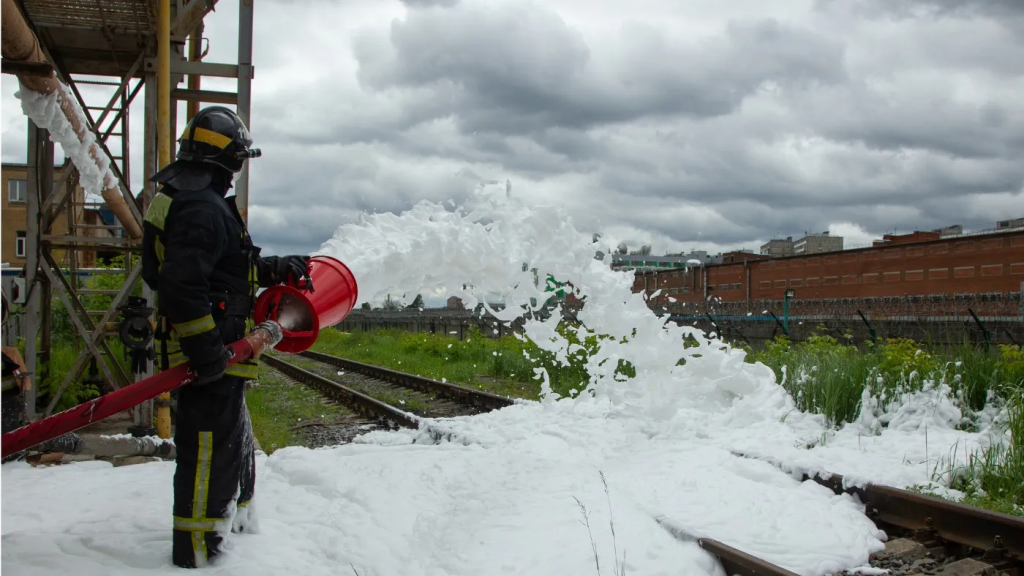
The latest version of the National Defense Authorization Act extends the Pentagon’s timeline for eliminating firefighting foam containing PFAS, commonly known as “forever chemicals.”
Extended Timeline
Congressional negotiators released a compromise version of the annual defense authorization bill on Sunday that incorporates House language delaying the phaseout by two years.
The 2020 NDAA established a 2023 deadline for the military to stop purchasing PFAS-containing foam and a 2024 deadline to cease all use, with waiver provisions allowing extensions through 2026.
Under the new framework, the foam can be purchased through 2026 and, when accounting for waivers, potentially used through 2028.
Health and Environmental Concerns
PFAS chemicals persist in the environment for hundreds of years without breaking down, making cleanup extremely difficult. Exposure to these substances has been linked to increased risk of prostate, kidney and testicular cancers, along with fertility and immune system problems.
Military-grade firefighting foam has become a major source of PFAS contamination, particularly affecting communities on and around military bases.
“It’s a pretty significant deal that the Department of Defense is now, once again, allowed to purchase a toxic product that they have been banned from buying for the past two years,” said Jared Hayes, senior policy analyst at the Environmental Working Group. He warned this could “expand contamination and contaminate more neighborhoods and communities surrounding these bases.”
Disposal Provisions
The bill also addresses PFAS disposal methods. While the Senate version would have repealed a moratorium on incinerating PFAS—a controversial disposal technique—the final language allows the Defense Secretary to use cost-effective destruction technologies if approved by federal or state agencies.
Mixed Assessment
Hayes characterized the bill’s approach to forever chemicals as mixed. While it permits continued PFAS use and potential expansion of contamination, positive elements include calling for expedited cleanup plans, authorizing deployment of advanced treatment technologies, and ensuring households affected by Defense Department PFAS plumes receive clean water quickly.
The extension provides the military additional time to transition to alternative firefighting solutions while maintaining operational capabilities, though environmental advocates remain concerned about prolonged use of these persistent chemicals.